
What is Auto-Staking Crypto?

Everybody wants to make money while they sleep.
In crypto, that is a real possibility. Not just because prices can rise rapidly, but also due to crypto staking. By locking up your digital assets to help secure a network, you can earn a yield.
But many stakers eventually realize this process is anything but passive.
Between researching validators, monitoring uptime, and manually restaking rewards, it can feel like a part-time job. These difficulties have brought on a new wave of automation that allows you to “stake and forget.”
Through auto-staking, the dream of passive income becomes a reality.
In this article, you’ll learn about…
- What auto-staking is and how it works.
- The hidden costs and friction of manual staking.
- The top auto-staking tools for 2026
…and many more.
Keep on reading.
How Does Manual Staking Work?
To appreciate the “auto” in auto-staking, let’s look at the manual efforts that defined the technology’s early years.
In traditional Proof of Stake solo staking on Ethereum, you act as your own bank. You run a dedicated computer called a validator, keep it connected to the internet 24/7, and lock up 32 ETH ($64,000 as of writing).
On Delegated Proof of Stake (DPoS) networks like Solana or Cosmos, the barrier is lower. You delegate your assets to a professional validator who does the technical heavy lifting.
While both kinds of staking sound simple, manual management introduces several friction points.
The Friction Points of Manual Staking
Manual staking often feels like a part-time job due to several pain points:
Technical Know-How
Setting up a solo validator requires hardware assembly, command-line coding, and managing a complex staking dashboard. Most retail stakers find this barrier insurmountable.
A quick look at all the code required turns most people away.
High-Capital Barriers
Beyond the $64,000 for Ethereum, running a validator on Solana costs even more.
While there is no minimum stake, validators pay a 1 SOL ($90) voting fee per day. Over a year, voting fees amount to nearly $33,000. To break even at 7% APY, a validator would need to stake $470,000 in SOL.
Validator Selection and Monitoring
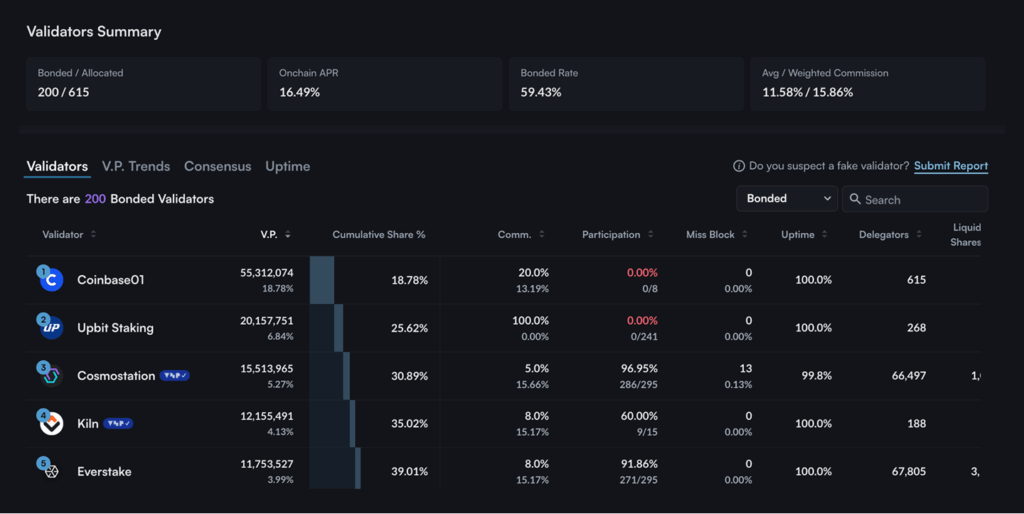
If you delegate to someone else, you still have to watch them.
With nearly 200 validators on Cosmos and 800 validators on Solana, choosing the wrong one can be costly. Some top validators charge 100% commission. They keep all the rewards for themselves.
The Compounding Trap
In networks like Cosmos, rewards don’t automatically compound. You must manually claim your rewards and restake them to earn interest on your interest.
You will need to weigh the size of your staking rewards versus gas fees.
Every time you claim and restake, you pay transaction fees. For smaller holders, these fees can eat into profits.
What is Auto-Staking Crypto?
Auto-staking refers to the use of artificial intelligence (AI), smart contracts, or platform-level features to automate the staking lifecycle and eliminate human friction.
In 2026, a high-quality auto-staking system handles:
1. Choosing a high-performance, low-commission validator.
2. Claiming rewards when they are available.
3. Compounding those staking rewards at the optimal frequency.
Instead of you logging into a wallet every Sunday to claim and stake rewards, an algorithm or platform does it for you.
Tools to Help Auto-Stake Crypto
Solo Stakers
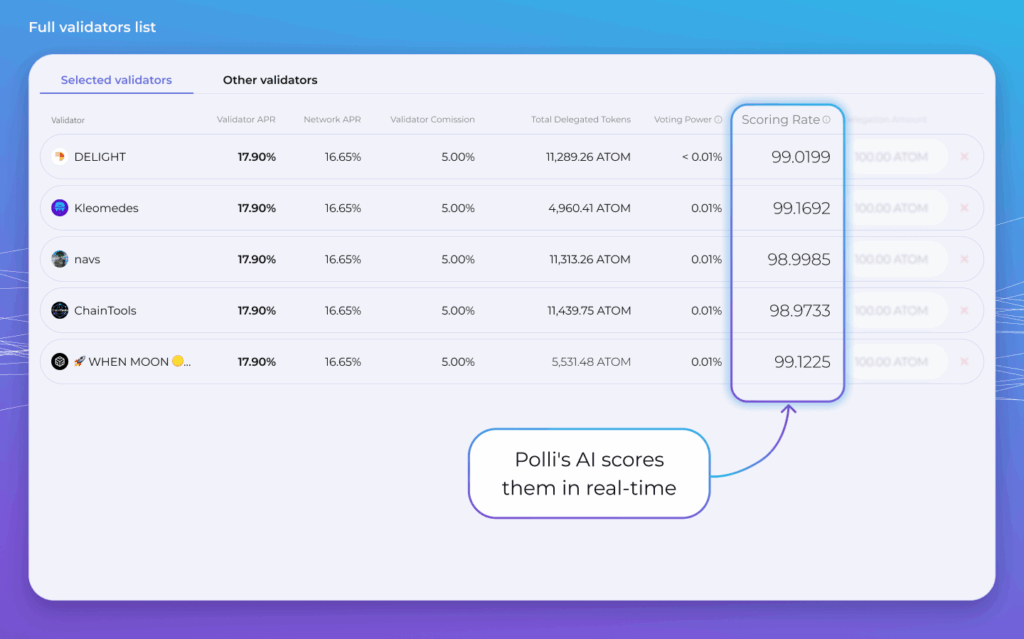
Powered by Polli, Solo Stakers represents the Staking 2.0 movement or AI-driven yield optimization. It uses AI agents to optimize staking across multiple chains, including Cosmos, Lava Network, and Osmosis.
Polli’s AI Agent doesn’t just restake and auto-compound; it uses real-time data to score validators on reliability and commission. If a validator’s health dips, Polli’s AI moves your assets to a safer validator.
Polli optimizes native staking without smart contracts. This process leads to above-market returns while keeping risks low.
REStake.app
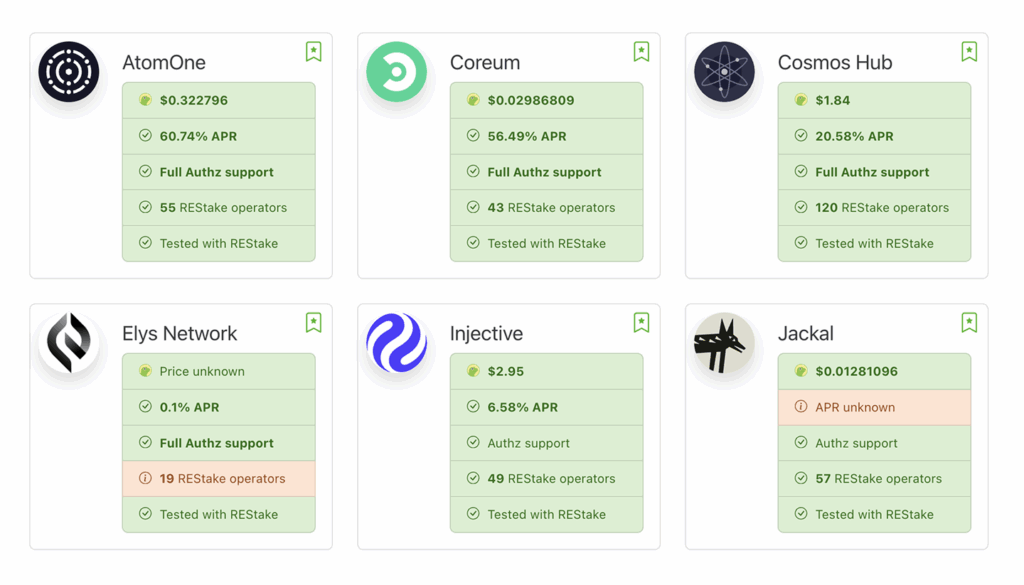
For the Cosmos ecosystem, the REStake platform gives validators permission to claim and restake rewards back to their own node.
This app allows for simplified auto-compounding. You keep your keys and your crypto stays in your wallet, but the validator handles the clicks.
While such platforms solve the compounding problem, they cannot handle redelegation when validators go offline.
Liquid Staking
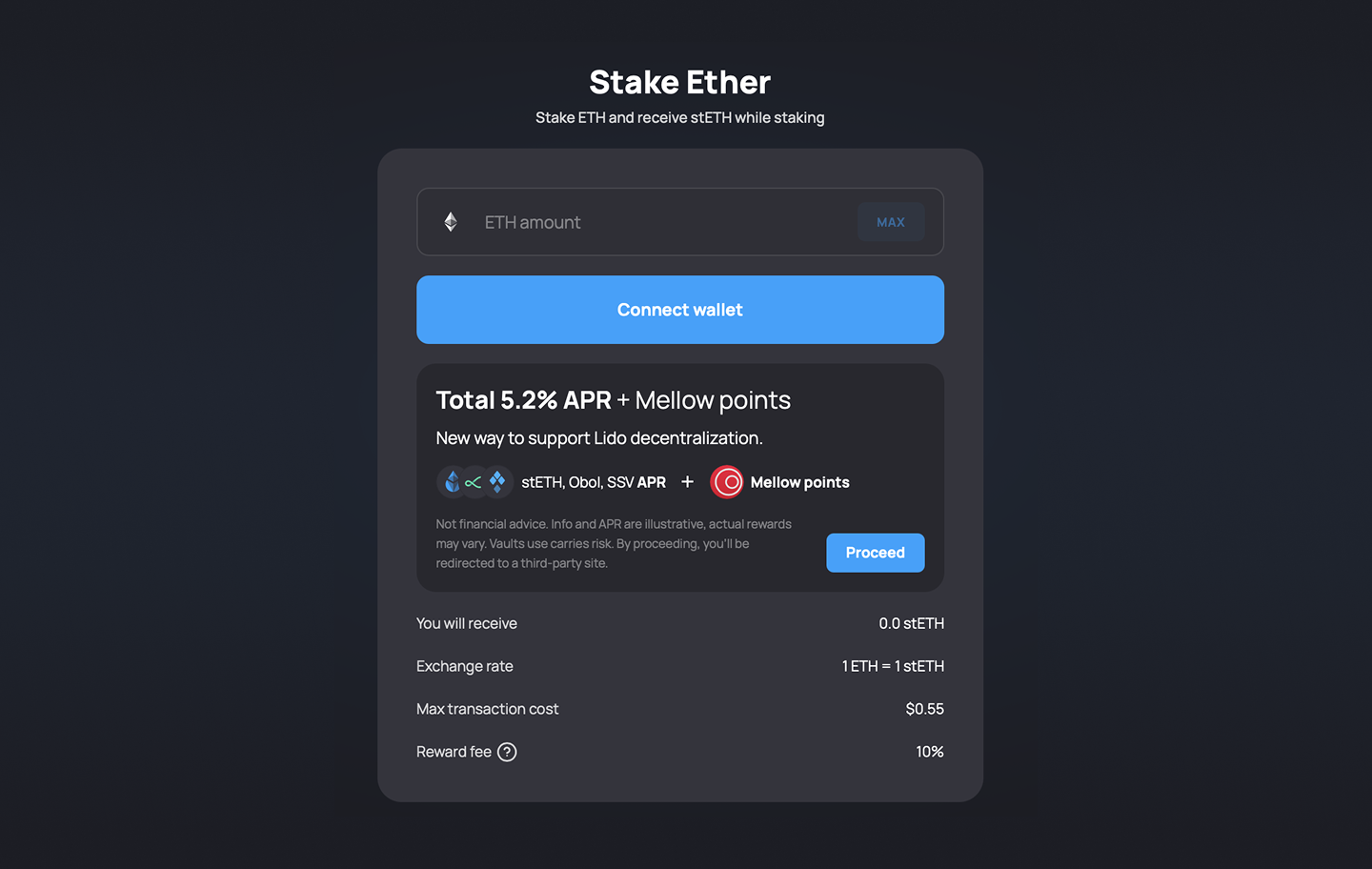
Lido is the market leader in Ethereum liquid staking.
When you stake your ETH through Lido, you receive stETH in return. You can use this liquid staking token for trading or decentralized finance. The platform solves several manual friction points, from validator selection and monitoring to compounding and unlocking liquidity.
However, liquid staking runs on smart contracts, which introduces an additional risk versus native staking. If a bad actor exploits the smart contract or if the liquid staking token depegs, you could suffer significant losses.
Terra Luna, one of the largest collapses in crypto history, involved liquid staking and the depegging of its native stablecoin, UST.
Liquid staking exists on most networks, including Solana and Cosmos.
Centralized Exchanges
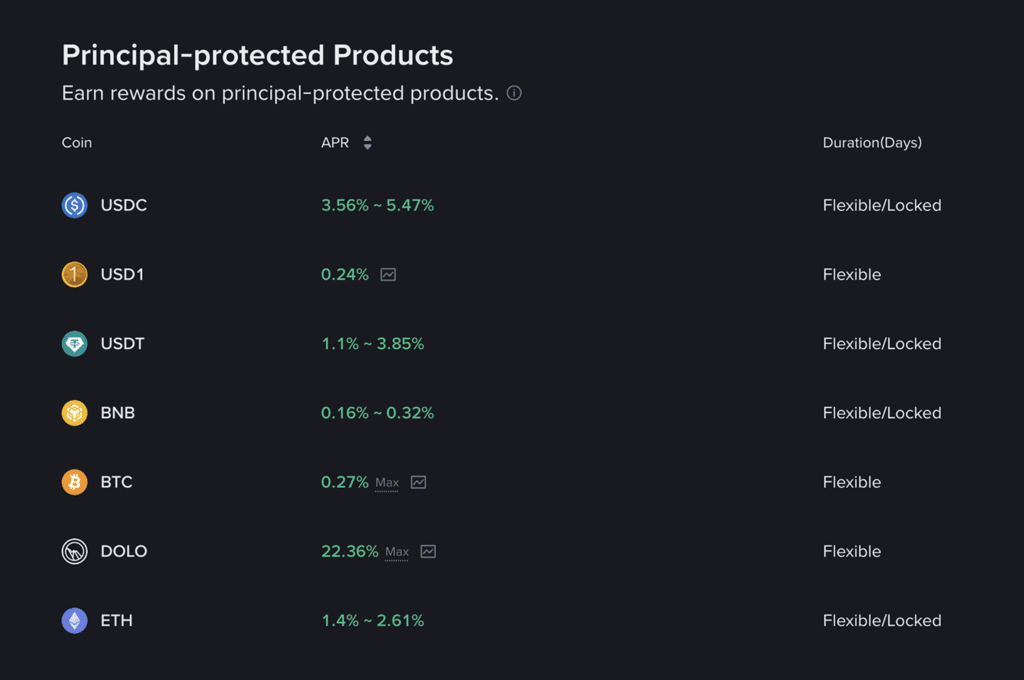
For beginner stakers, centralized exchanges (CEXs) such as Binance offer “Auto-Earn” features. With one click, the platform places your idle balance into a staking pool and handles the compounding of your rewards.
While CEXs are the easiest method, they are custodial. You trust the exchange to hold your private keys and stay solvent. In addition, CEXs usually charge commission rates higher than native staking with validators.
Setting Your Yield on Autopilot
As the crypto industry advances, the gap between stakers who simply stake versus those who actively automate has widened.
Choosing to stay manual in 2026 means leaving money on the table through missed compounding, high fees, and reactive risk management. In some cases, it’s a difference of 15% to 30% better staking returns.
Whether you choose AI-driven platforms like Solo Stakers (Polli) or other automated staking methods, the message is clear: automation is the standard.
Auto-staking transforms your cryptocurrencies into a highly optimized engine for passive income.
Frequently Asked Questions
What is the difference between automated staking and manual staking?
Manual staking requires you to research validators, claim rewards, and restake them yourself, whereas automated staking uses AI or smart contracts to handle these friction points.
Auto-staking aims to address one or more issues associated with manual staking.
Can I stop automated staking anytime?
Yes, you can turn off the automation or undelegate your assets at any time through your chosen platform’s dashboard. However, in non-liquid staking methods, you must still adhere to the blockchain’s native unbonding period before your tokens unlock.
Are assets locked in auto staking?
Assets are subject to the same protocol-level locking rules as manual staking unless you use a Liquid Staking solution.
While the automation doesn’t add extra locks, you must wait for the network’s standard unbonding period to withdraw your principal.
The content of solostakers.com is for informational purposes only and should not be considered financial advice. It represents the personal views and opinions of the author(s) and is not endorsed by any financial institution or regulatory body. Cryptocurrency and staking investments carry inherent risks and readers should conduct their own research and consult with a financial professional before making any investment decisions. The owner and author(s) of solostakers.com will not be liable for any losses, damages, or consequences arising from the use of the information on this site. By accessing solostakers.com, you agree to bear full responsibility for your investment decisions.

March 3, 2026
March 5, 2026

